Finalrentals Blog

Published in Explore Category.
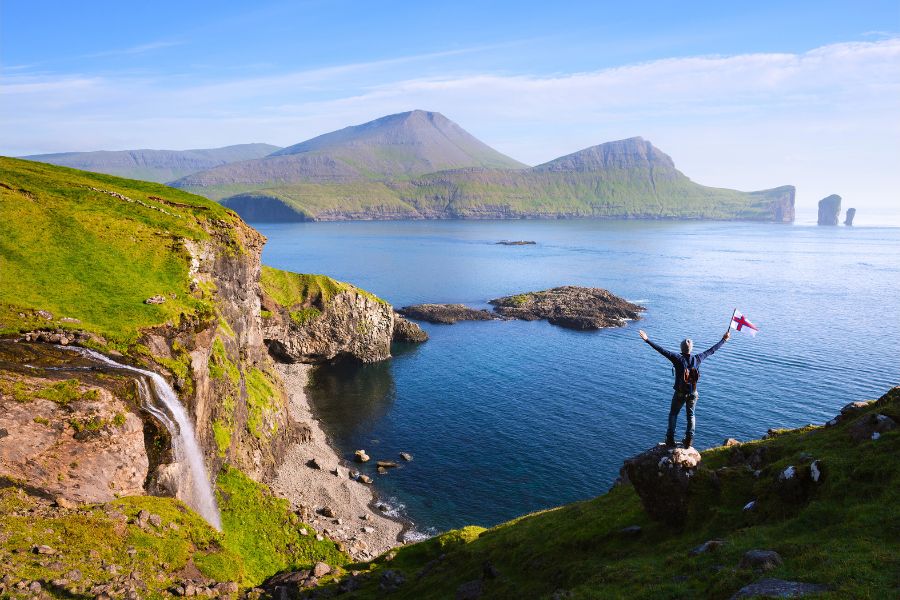
The Faroe Islands are a hidden gem in the North Atlantic, made up of 18 islands renowned for dramatic cliffs, lush green valleys, and charming villages. Often described as a land untouched by time, nature dominates the landscape, yet human life exists in harmony with it. From thundering waterfalls to serene, secluded villages, the islands offer a travel experience that blends rugged beauty with calm, welcoming communities.
While some destinations can be reached by ferry or local buses, the Faroe Islands are best explored at your own pace, taking time to savour the dramatic landscapes and charming villages. A rental car can make this easier, offering extra flexibility to stop along scenic routes and reach quieter corners. With so much natural beauty and cultural charm to take in, it’s easy to see why first-time visitors are often captivated by the islands. For those eager to experience the Faroe Islands’ breathtaking highlights, here are ten unforgettable destinations to inspire your journey.
Must-See Destinations in the Faroe Islands
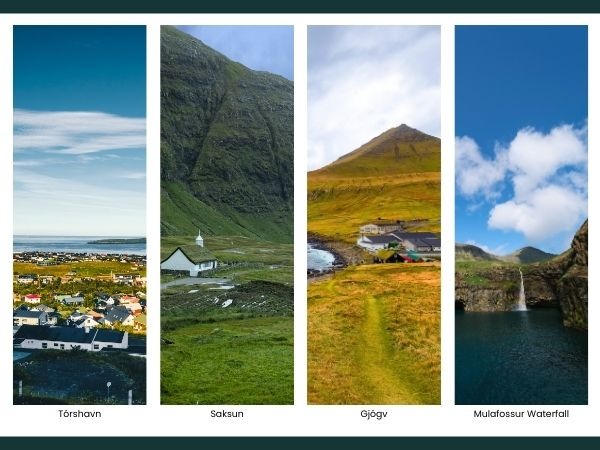
1. Tórshavn
Tórshavn, the world’s smallest capital, has a warm and welcoming charm that makes it the perfect introduction to Faroese life. As the cultural and administrative centre of the Faroe Islands, it blends history with modern life. The old town, Tinganes, is a network of cobbled streets lined with traditional turf-roofed houses that once served as the islands’ administrative hub. Walking through Tinganes feels like stepping back in time, with narrow lanes revealing centuries-old architecture.
The harbour area is lively, filled with cafés, seafood restaurants, and art galleries showcasing local talent. Visitors can enjoy fresh fish at restaurants or sample traditional pastries at small cafés. During the summer, Tórshavn also hosts cultural events that give travellers a taste of Faroese traditions.
2. Saksun
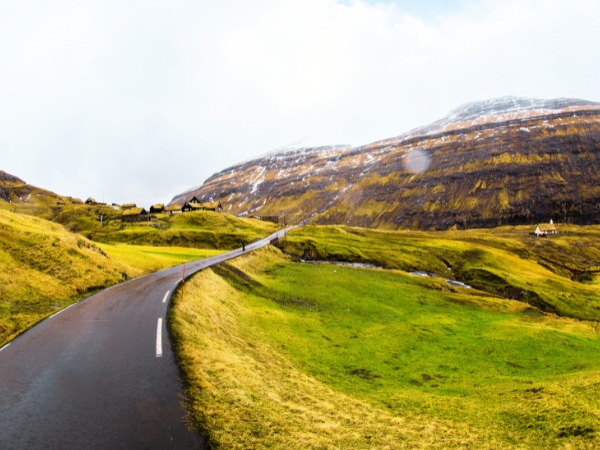
Saksun is a tiny village tucked away between steep mountains and a tidal lagoon. It is a living postcard, offering some of the most iconic views in the Faroe Islands. The village is known for its traditional grass-roofed houses, many of which are still in use, and the black sand beach that appears when the tide recedes. The surrounding mountains and lagoon create a perfect natural amphitheatre, enhancing the sense of tranquillity.
For photographers, Saksun is a dream location, particularly in soft morning light when mist often clings to the mountains. Exploring the area on foot is a must. Paths wind past small streams, quaint bridges, and peaceful viewpoints overlooking the lagoon. The journey to Saksun is memorable on its own, with narrow roads and dramatic scenery unfolding along the way.
3. Gjógv
Gjógv, meaning “the gorge,” is a small village famous for its natural harbour, carved by centuries of waves. The deep cleft in the cliffs forms a perfect harbour where traditional wooden boats rest, surrounded by colourful houses that seem suspended between sea and mountain. Visitors can stroll along the harbour walls or hike to viewpoints overlooking the village and the Atlantic Ocean. The surrounding cliffs are home to seabirds, making it a favourite spot for birdwatchers.
Gjógv is also known for its hiking trails, which offer dramatic vistas of the coastline and mountains. Driving there requires a rental car, as public transport does not reach this remote village. Parking is limited, so arriving early is recommended. A car allows travellers to combine a visit to Gjógv with nearby attractions such as Funningur, one of the oldest settlements in the islands, creating a full-day adventure.
4. Múlafossur Waterfall
Múlafossur Waterfall is one of the Faroe Islands’ most iconic natural landmarks. Located near the village of Gásadalur, the waterfall plunges from a green cliff directly into the Atlantic Ocean, creating a picture-perfect scene that has appeared on countless postcards. The village itself is charming and small, with only a handful of houses, which adds to the waterfall’s remote allure.
Visiting Múlafossur requires minimal effort. A short walk from the parking area leads to several viewpoints where you can enjoy different perspectives of the falls. Photographers often prefer early morning or late evening light for softer shadows and fewer tourists. Along the winding roads to Gásadalur, travellers are treated to equally stunning vistas of mountains, valleys, and the ocean.
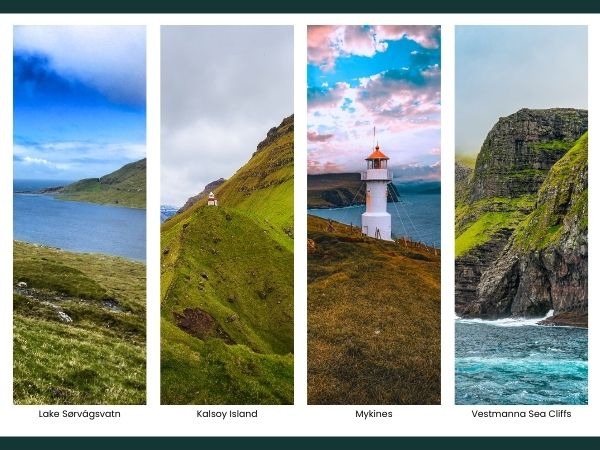
5. Lake Sørvágsvatn
Lake Sørvágsvatn, also known as Leitisvatn, is world-famous for its optical illusion, which makes it appear to hover above the ocean. This phenomenon occurs due to the lake’s elevated position above the cliff line, creating a surreal visual effect. The hike to the viewpoint is moderately challenging, taking about 45–60 minutes, but the rewards are immense.
Along the way, travellers pass by the Bøsdalafossur waterfall, where water cascades into the ocean far below. The terrain can be steep and windy, so sturdy shoes and appropriate clothing are essential. The hike can be adapted to your fitness level, making it enjoyable for most visitors, and the surrounding landscape provides endless opportunities for photography.
6. Kalsoy Island
Kalsoy is a narrow, rugged island renowned for the Kallur Lighthouse, perched dramatically on a cliff overlooking the Atlantic. The lighthouse hike is challenging but rewarding, offering sweeping views of the coastline and the ocean beyond. Along the way, you pass small villages such as Trøllanes and Mikladalur, where traditional Faroese houses and friendly locals give insight into island life.
Kalsoy is accessible via ferry from Klaksvík, and having a rental car makes it much easier to coordinate ferry timings and explore the island efficiently. The island’s tunnels are narrow and require careful driving, but the dramatic scenery makes the effort worthwhile. Exploring Kalsoy by car allows travellers to stop at viewpoints, capture panoramic photographs, and enjoy quiet moments away from the crowds.
7. Mykines
Mykines is a small, remote island famous for its puffin colonies. During summer, thousands of puffins nest on the cliffs, making it a haven for birdwatchers and photographers. The island itself is quiet, with wooden footbridges and coastal paths guiding visitors to the lighthouse and other viewpoints.
Walking is the only way to explore Mykines, but having a rental car ensures you can easily reach the ferry port in Sørvágur and manage your schedule for ferry departures. Mykines offers a sense of isolation and tranquillity that is rare in Europe, making it ideal for travellers seeking a peaceful nature retreat.
8. Vestmanna Sea Cliffs
The Vestmanna Sea Cliffs are a dramatic and breathtaking coastal attraction. Rising hundreds of metres above the Atlantic, these cliffs are home to seabird colonies, including puffins, guillemots, and kittiwakes. Boat tours depart from Vestmanna harbour, taking visitors close to the cliffs and into sea caves, offering a unique perspective on the islands’ natural beauty.
Driving your rental car from Tórshavn to Vestmanna is straightforward, and parking is available near the harbour. From there, travellers can venture along coastal trails and viewpoints, uncovering secluded coves and peaceful beaches.
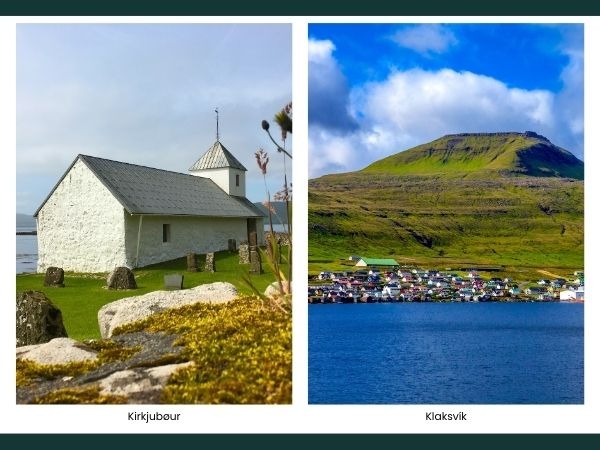
9. Kirkjubøur
Kirkjubøur is a small village that serves as the historical heart of the Faroe Islands. It was once the religious and cultural centre, and today it preserves several important landmarks. Magnus Cathedral, though in ruins, demonstrates medieval architecture, while Saint Olav’s Church, dating back to the 12th century, remains one of the oldest working churches in the country.
The village also features traditional Faroese farmhouses, including the 900-year-old Roykstovan, which is still inhabited. Visiting Kirkjubøur offers a glimpse into the islands’ past, combining history, architecture, and scenic countryside. It's easy to include Kirkjubøur as a half-day trip from Tórshavn while stopping along the way at other scenic spots.
10. Klaksvík
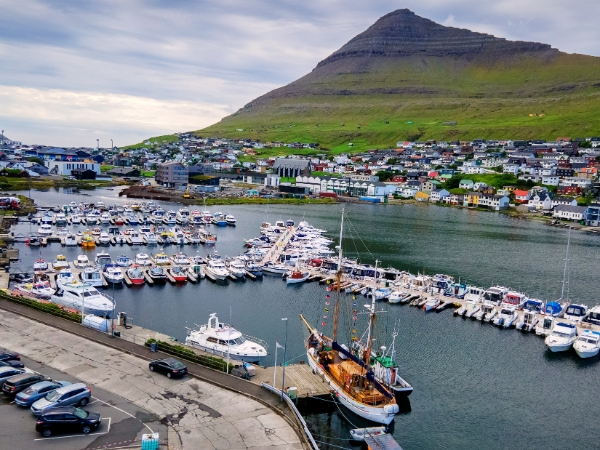
Klaksvík is the second-largest town in the Faroe Islands and serves as the gateway to the northern islands. Nestled among steep hills, it offers modern amenities such as cafés, shops, and cultural sites like Christianskirkjan church. From here, travellers can easily visit nearby islands like Kalsoy, Kunoy, and Viðoy, taking time to enjoy dramatic landscapes, quiet villages, and scenic viewpoints along the way. Klaksvík is also an excellent base for hiking enthusiasts who want to explore the surrounding mountains and coastline.
Rent a Car in the Faroe Islands with Final Rentals

To experience the Faroe Islands, renting a car is essential. Final Rentals offers a wide selection of vehicles for every type of traveller, from compact cars ideal for city streets to SUVs built for rugged mountain roads. Services include convenient pick-up locations at Vágar Airport, instant booking confirmation, and competitive pricing.
Renting a car with Final Rentals provides the freedom to explore remote villages, hidden waterfalls, and dramatic coastal roads that are inaccessible by public transport. The Final Rentals app, available on Google Play and the App Store, makes booking management stress-free. Whether planning a short visit or an extended road trip, Final Rentals ensures a reliable vehicle for the entire stay.
Driving Tips for the Faroe Islands
Exploring the Faroe Islands by car can be an incredible experience, but it requires awareness and careful planning. The roads are generally safe, yet understanding local conditions ensures a smooth and enjoyable journey.
- Road conditions: Driving in the Faroe Islands is generally safe but requires caution due to narrow tunnels, winding roads, and occasional livestock crossings.
- Driving rules: Always drive on the right-hand side, follow speed limits, and adjust driving to rapidly changing weather conditions.
- Flexibility and freedom: A rental car provides the freedom to adapt the itinerary for weather or sightseeing, stop for photos, and explore lesser-known locations.
Best Time to Visit
The ideal time to visit the Faroe Islands is between May and September, when weather conditions are milder, roads are clearer, and daylight lasts longer. Summer allows access to remote islands like Mykines, which hosts puffins and other seabirds during this period. Winter travel is possible but challenging due to icy roads and limited ferry schedules. A well-equipped rental car is recommended for safe and comfortable winter driving.
Experience the Faroe Islands with Final Rentals
The Faroe Islands offer a unique mix of raw natural beauty, historic villages, and tranquil coastal scenery. From the waterfalls of Gásadalur to the puffins of Mykines, each location has its own story and charm. To explore these islands, renting a car is the best choice, giving you the flexibility and freedom to experience the hidden treasures of the Faroe Islands.
Rent a car in the Faroe Islands with Final Rentals to secure a reliable vehicle, manage your booking easily, and enjoy an unforgettable journey across this remarkable North Atlantic archipelago. Start your adventure today and discover the Faroe Islands at your own pace!