Finalrentals Blog

Published in Guides Category.
Complete Travel Guide for First-Time Visitors to the Faroe Islands
The Faroe Islands are a striking North Atlantic destination, known for their rugged landscapes, towering cliffs, quiet villages, and a culture closely connected to nature. For first-time visitors, the islands can feel challenging to navigate due to their remote location and limited public transport, but careful planning makes the trip much easier. With practical advice on weather, accommodation, and key sights, travellers can explore with confidence and ease. Having the freedom to move at your own pace allows you to fully enjoy scenic routes and discover hidden corners that organised transport often misses. With these tips in mind, visitors can experience the beauty and charm of the islands to the fullest.
Understanding the Faroe Islands
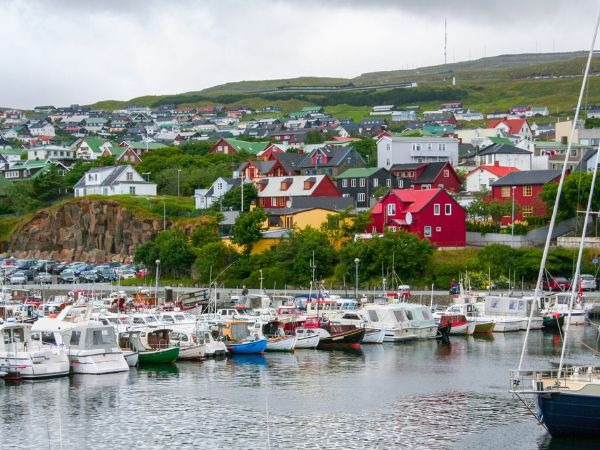
The Faroe Islands are made up of 18 volcanic islands located between Iceland and Norway, known for their green valleys, deep fjords, and stunning ocean views. Life on the islands moves at a slower pace, and visitors quickly notice the strong connection between the Faroese people and their natural surroundings.
While Tórshavn, the capital, offers modern amenities, many villages remain largely untouched, providing an authentic experience of island life. For first-time visitors, it’s important to remember that even though distances may appear short, winding roads and tunnels can make travel take longer than expected. Renting a car is essential for exploring efficiently and seeing more of the islands at your own pace.
Best Time to Visit
The best time to visit the Faroe Islands is from May to September. During these months, the weather is milder, daylight lasts longer, and roads are easier to navigate. Summer also allows access to remote islands like Mykines, where puffins and other seabirds nest. If you are visiting in spring or autumn, be prepared for frequent rain, strong winds, and sometimes fog, which can affect visibility while driving. Winter trips are possible, but road conditions can be challenging, so a suitable rental car with good tyres is recommended.
What to Pack
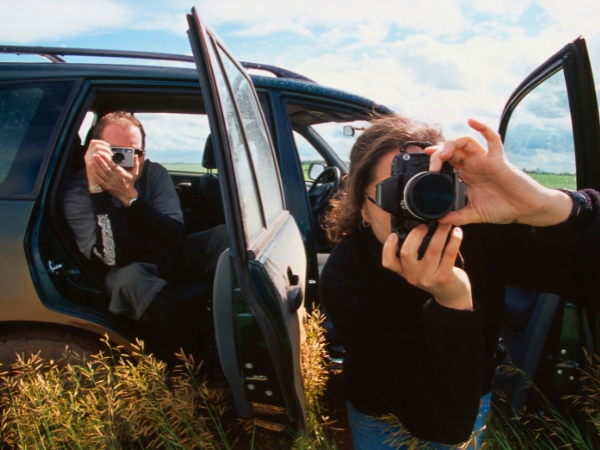
Packing for the Faroe Islands requires preparation, as the weather changes quickly. Bring layered clothing, a waterproof jacket, and windproof trousers. Sturdy hiking boots are essential for trails, cliffs, and waterfalls. Sunglasses and sunscreen are useful on sunny, windy days. Don’t forget your camera or smartphone, and carry a power bank for long drives and hikes, since charging points are limited in remote areas.
Accommodation Tips
The Faroe Islands offer a variety of accommodation options, from hotels and guesthouses to cottages and farm stays. Tórshavn is the best base for first-time visitors, offering modern hotels and easy access to major roads. Smaller villages like Saksun or Gjógv provide a more authentic experience but may require advanced booking due to limited availability.
Many guesthouses include breakfast, which is helpful when planning early morning trips to waterfalls, hiking spots, or birdwatching locations. Booking accommodation near major attractions is a great way to reduce daily driving time and maximise your experience.
Why Renting a Car is Essential
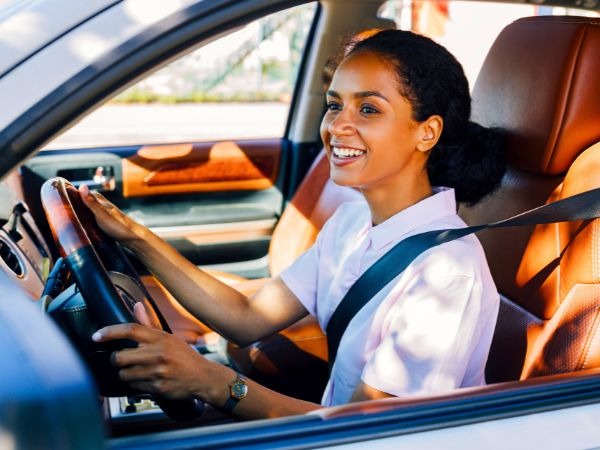
Public transport in the Faroe Islands is limited, making it difficult to reach remote villages, waterfalls, and hiking spots. For first-time visitors, having a car is the easiest way to explore the islands at a relaxed pace. It allows stops for photos, scenic detours, and access to destinations that buses or tours simply cannot reach.
Driving in the Faroe Islands
Driving in the Faroe Islands can be an exciting experience, but it requires attention and preparation. Understanding local road conditions, rules, and safety tips ensures a smooth and enjoyable journey for first-time visitors.
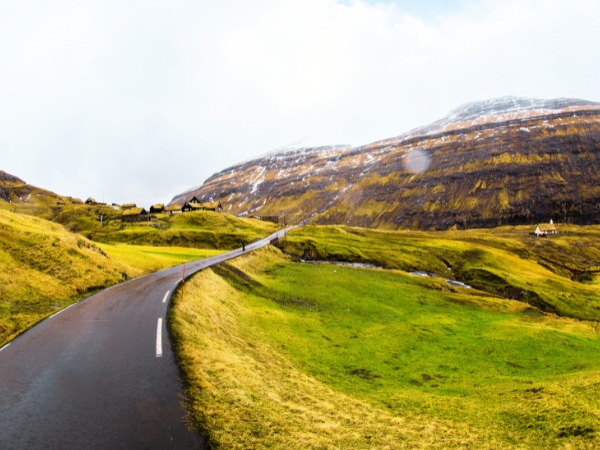
- Road conditions: Roads in the Faroe Islands can be narrow, winding, and occasionally steep, with tunnels connecting islands that require careful attention. Drive cautiously and be prepared for sudden changes in terrain.
- Driving rules: Driving on the right-hand side is mandatory, and speed limits are usually lower than expected, often between 50 and 80 km/h. Obey all traffic signs to ensure a safe journey.
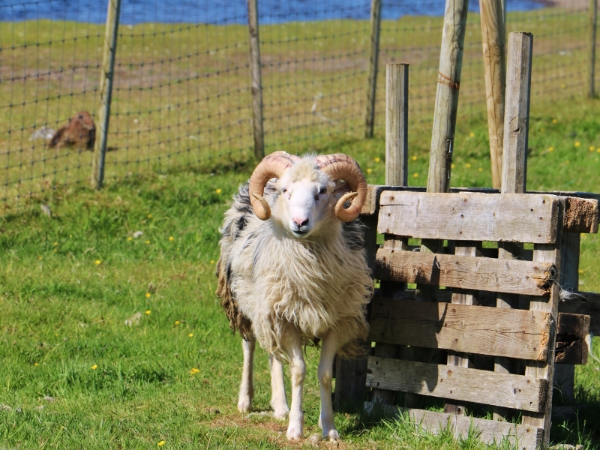
- Animal crossings: Sheep frequently cross roads, especially in rural areas. Always slow down and stay alert to avoid accidents.
- Single-lane bridges and tunnels: In some remote locations, single-lane bridges and tunnels require drivers to give way according to signs. Follow the local rules to avoid delays or hazards.
Top Destinations for First-Time Visitors
While the Faroe Islands are small, they are packed with stunning destinations. Tórshavn, the capital, offers a mix of modern facilities and historic charm, especially in Tinganes, the old town with turf-roofed houses. Saksun is a serene village set between steep mountains and a tidal lagoon, perfect for photography and short walks. Gjógv, with its natural gorge harbour and colourful houses, is ideal for birdwatchers and hikers.
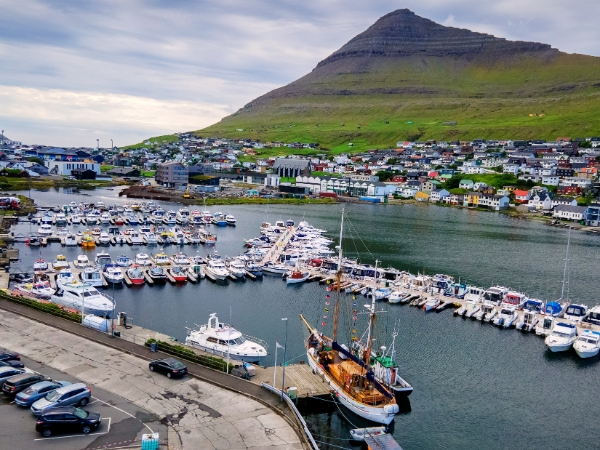
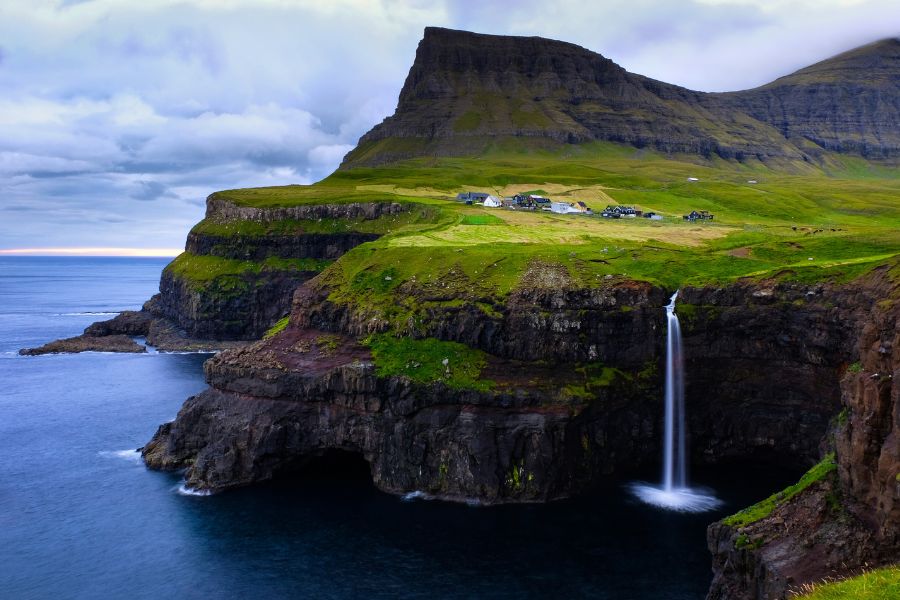
Møllafossur Waterfall in Gásadalur is one of the most photographed spots in the country, while Lake Sørvágsvatn offers a unique floating-lake illusion. For adventurous travellers, Kalsoy Island’s Kallur Lighthouse and Mykines’ puffin colonies are unforgettable. The Vestmanna Sea Cliffs provide dramatic boat tours, Kirkjubøur is rich in medieval history, and Klaksvík serves as a gateway to the northern islands. A rental car makes accessing these locations simple, allowing you to create a customised route that fits your interests and schedule. For a detailed look at the must-see spots and insider tips, check out Ten Unforgettable Places in the Faroe Islands for First-Time Visitors.
Local Cuisine and Dining Tips
Faroese cuisine is based on fresh, local ingredients, particularly fish, lamb, and dairy products. First-time visitors should try traditional dishes like ræst kjøt (fermented lamb) or skerpikjøt (air-dried mutton) to experience authentic island flavours. Seafood lovers will enjoy freshly caught cod, salmon, and shrimp from the surrounding waters.
In Tórshavn, cafés offer lighter options such as sandwiches, pastries, and local treats. Dining in the Faroe Islands can be more expensive than in mainland Europe, so planning a budget for meals is helpful. Many visitors enjoy exploring small villages to sample traditional dishes while taking in the islands’ stunning scenery.
Hiking and Outdoor Activities
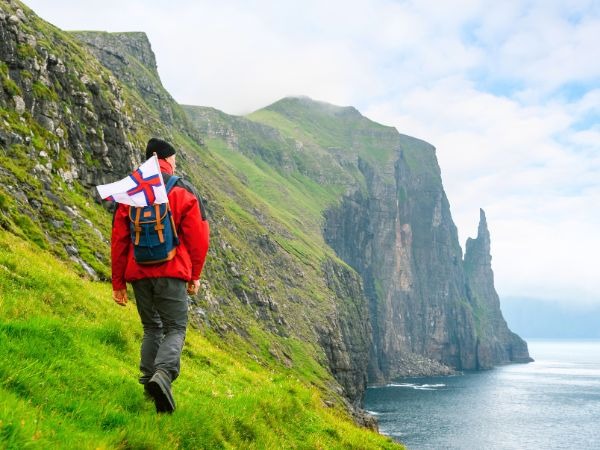
The Faroe Islands are perfect for outdoor enthusiasts. Hiking is the most popular activity, with trails suitable for beginners and experienced hikers alike. Famous hikes include the trail to Múlafossur Waterfall, the Kallur Lighthouse hike on Kalsoy Island, and the Sørvágsvatn viewpoint trail. Many trails are unmarked or rocky, so wearing sturdy shoes and bringing water is essential. Other activities include birdwatching, photography tours, and boat trips to explore cliffs and caves.
Safety Tips for First-Time Visitors
Visiting the Faroe Islands is generally safe, but first-time travellers should be prepared for changing conditions and take simple precautions to ensure a smooth and enjoyable trip.
- Weather awareness: Conditions can change rapidly, with fog, wind, or rain making roads and trails challenging. Always check forecasts before hiking or driving to stay safe.
- Navigation preparedness: Mobile signal may be limited in remote areas. Carry maps or download offline navigation apps to avoid getting lost.
- Personal safety: The islands are safe for travellers, but wearing suitable clothing, using sunscreen, and staying hydrated during hikes is essential.
- Flexibility for changing conditions: Unexpected weather can occur at any time. Adjusting plans and schedules accordingly helps ensure a safe and enjoyable experience.
Connectivity and Mobile Tips
Internet access is usually reliable in towns like Tórshavn and Klaksvík, but it can be limited in smaller, rural villages. First-time visitors should consider using a local SIM card or an international roaming plan if they plan to rely on mobile navigation. Apps for navigation and booking, such as the Final Rentals app, are useful for managing your car rental and planning daily routes. When travelling to remote areas, it’s also a good idea to download offline maps to avoid getting lost or missing scenic detours.
Budgeting and Currency
The currency in the Faroe Islands is the Faroese króna (DKK). While some shops and restaurants accept cards, carrying cash for small villages and parking fees is advised. First-time visitors should budget for accommodation, meals, fuel, and activities such as boat tours or guided hikes. Exploring the islands independently with a rental car can sometimes save money, as visiting multiple locations on your own may be more cost-effective than booking guided tours.
Why Rent a Car in the Faroe Islands with Final Rentals

To get the most out of a trip to the Faroe Islands, renting a car is essential. Final Rentals offers a wide selection of vehicles, including compact cars for city driving and SUVs built for rugged mountain roads. The booking process is simple, with convenient pick-up points at Vágar Airport, instant confirmation, and competitive pricing.
Renting a car through Final Rentals provides the flexibility to explore remote villages, waterfalls, and scenic drives at a personal pace. The Final Rentals app, available on Google Play and the App Store, makes managing bookings, selecting the right vehicle, and accessing support quick and easy. Rent a car in the Faroe Islands with Final Rentals to discover hidden gems and experience the islands like a local.
Exploring the Faroe Islands for the First Time
Visiting the Faroe Islands for the first time is an unforgettable experience, with stunning landscapes, rich culture, and captivating scenery at every turn. Careful planning and an understanding of local conditions help ensure the trip is smooth and enjoyable. From wandering the historic streets of Tórshavn to taking in the dramatic cliffs of Vestmanna and the peaceful villages of Saksun and Gjógv, the islands are full of opportunities for both adventure and relaxation. With the right approach, every step across the Faroe Islands feels like discovering a new, extraordinary world!