Island drives in the Faroes can change within minutes. You may start beside a harbour, then climb into fog, wind, or rain. If you book an SUV Rental in the Faroe Islands, you get height, space, and confidence for steep coastal roads. Our guide covers road conditions, automatic SUVs, scenic routes, safety tips, and booking advice for your trip.
Most roads are paved, but cliffs, bends, tunnels, and weather still need care. SUV Rental in the Faroe Islands helps travellers prepare for changing island conditions with comfort and luggage space.
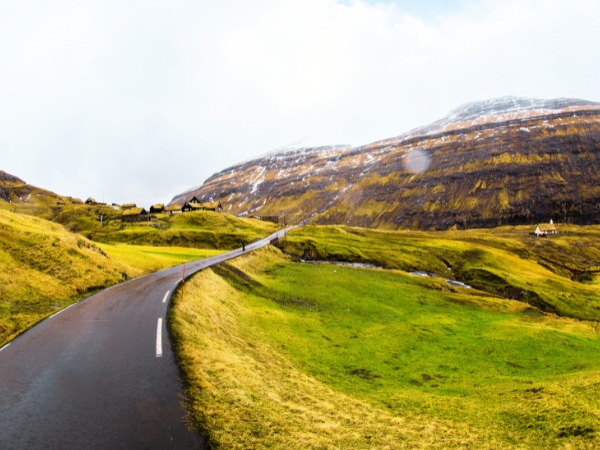
The Faroes feature craggy mountains, deep fjords, and roads that often wind along cliffs. Some village routes remain gravel. Many roads are single-lane with lay-bys, so drive carefully and use pull-outs. Wind can rise fast, while fog and rain can arrive within minutes. Keep your speed down and match it to the road conditions. Tunnels and bridges link the islands, including the Sandoy Tunnel.
An SUV gives extra ground clearance, better traction, and space for bags, coats, and gear. You can stop for photos without worrying about tight luggage space. You stay cosy during long drives through landscapes. Rugged terrain and fickle climate make an SUV a practical choice. An automatic removes clutch work and helps with hill starts, climbs, town traffic, and winding mountain tunnels.
Automatic SUV rental in the Faroe Islands is worth booking early. Automatic options are limited and often book quickly. It can reduce tiredness from repeated gear changes.

Match your SUV to your route, luggage, weather plans, and driving confidence. Focus on space, safety, and comfort rather than a specific model.
A 4x4 or all-wheel-drive SUV can help during rain or snow. A two-wheel-drive SUV can still work well on paved roads. Good ground clearance helps on rough spots, village approaches, and ferry ramps.
Choose a premium SUV for more room on long drives. Check boot space for luggage, outdoor gear, coats, and camera equipment. Roof racks can help with larger items, but availability may vary. Built-in GPS and USB charging are useful for long days.
A fuel-efficient diesel SUV helps on hills because diesel engines add useful pull. Diesel often costs around 14 DKK per litre, though prices can change.
Some subsea tunnels, including Vágar, Eysturoy, Sandoy, and Norðoy, require tolls. Check whether your rental terms include tunnel options or charge tolls separately. Ferry service is available on some island routes, so plan your timing before leaving.
You can book an SUV with Final Rentals for unlimited mileage, winter tyres, basic insurance included, and 24/7 support. That helps you focus on your island route, not travel worries.
Every drive can lead to waterfalls, villages, cliffs, beaches, tunnels, or quiet viewpoints.

The road to Gásadalur on Vágar Island ends near Múlafossur waterfall, one of the islands’ iconic sights. From Tórshavn, drive through the Eysturoy tunnel to reach Gjógv and its underwater roundabout.
The Buttercup Routes link short scenic byways with remote places and quiet viewpoints. The road to Tjørnuvík crosses a mountain pass to a black-sand beach, with Risin and Kellingin views. You can also visit Saksun, Viðoy, turf-roofed villages, rugged cliffs, harbours, and Kallur Lighthouse on Kalsoy. These routes reward careful drivers with classic Faroese views.
Drive on the right, keep headlights on day and night, and wear seatbelts. Speed limits are 50 km/h in towns and 80 km/h on rural roads. Pull over at a safe lay-by if a faster car signals. Slow down in fog or high winds, and watch for sheep on narrow roads. In older one-lane tunnels, the vehicle going downhill must yield to uphill traffic.
Do not drive off-road, since it is illegal and damages the fragile nature. Keep fuel topped up and do not let it drop below one-third. Bring an emergency kit with warm clothes, jumper cables, and first-aid supplies.
An SUV is a smart choice for driving on Faroese islands. Roads can shift from smooth tunnels to steep climbs, narrow bends, and windy coastal routes. With the right SUV, you get more space, better comfort, and steady handling in changing weather.
Rent a car in the Faroe Islands with Final Rentals to explore mountain roads, tunnels, ferries, and coastal villages. Enjoy more freedom, unlimited mileage, winter tyres, basic insurance, and local support. Book and manage your car rental at any time. Download the Final Rentals app on Google Play and the App Store.
You should rent an SUV in the Faroes because its height and power help on steep, narrow island roads. SUVs offer more cargo space for luggage and better traction in changing weather, making scenic drives safer and more comfortable.
Yes. Automatic SUVs make mountain driving easier by removing the need for frequent gear changes on steep grades. Many travellers book automatics well in advance because they are limited. An automatic helps reduce fatigue and lets you focus on the road and the views.
Prepare for unpredictable weather and tight roads. Always drive with headlights on and wear seatbelts. Respect speed limits (50 km/h in towns, 80 km/h elsewhere), yield in one-lane tunnels, and watch for sheep. Also, keep fuel topped up. Fill up frequently, don’t let it drop below one-third, and bring an emergency kit.