Finalrentals Blog

Published in Travel Category.
The dramatic cliffs, narrow ridge trails, waterfalls, and ocean views make hiking in the Faroe Islands one of the most rewarding outdoor trips in Europe. You can walk between quiet villages, climb high mountain paths, and reach viewpoints that feel completely untouched by crowds.
Hiking areas are spread across different islands, so it's ideal to rent a car in the Faroe Islands. Roads, bridges, and subsea tunnels connect most major hiking regions, making it easy to move between trailheads and adjust your plans based on weather. Our guide explains the best road loop, hiking routes, safety tips, weather planning, and driving advice for exploring the best hiking trails in the Faroe Islands.
Starting Your Hiking Road Trip Near Vágar Airport
Vágar is one of the best places to begin hiking in the Faroe Islands because several famous trails are close to the airport.
Lake Sørvágsvatn and Trælanípa Hike
This is a relatively easy route of about 7 kilometres return. Most hikers spend 2.5 to 3 hours here, including photo stops. The trail is popular for its clear path and famous lake viewpoint overlooking the ocean.
The trailhead has parking, toilets, and a small café. Stay on marked paths because parts of the lakeside area are closed for bird protection. Trælanípa rises about 142 metres above the sea, while Bøsdalafossur waterfall drops into the Atlantic nearby. The route includes coastal cliffs, lake scenery, waterfall views, walking trails, and ocean landscapes.
Drangarnir Sea Stack Guided Hike

Drangarnir requires a local guide due to Faroese land access rules. Hiking without permission can lead to fines. The route is moderate to difficult, depending on the weather, and usually lasts 3 to 4 hours, including the boat section. This coast is fully exposed to wind and rough sea conditions. So, always follow guide instructions and avoid standing too close to unstable cliff edges during strong winds.
Gásadalur works well as a lighter walking day. The walk to Múlafossur waterfall takes only a few minutes from the marked parking area. The village also gives you views of turf-roofed houses and open sea cliffs. The road is paved and passes through a mountain tunnel before the village. Park only in designated areas and avoid crossing fences near the waterfall, as the ground is steep and dangerous.
Exploring Streymoy and Eysturoy Mountain Trails
This section of your road trip includes longer walks and steeper mountain routes. Weather and visibility become more important here, especially on ridge hikes and summit trails.
Saksun to Tjørnuvík Coastal Hike
This point-to-point route covers about 7 kilometres and takes roughly 2 hours and 25 minutes. The first climb above Saksun is the hardest section, so it’s best to start early. Fog can make parts of the trail difficult to follow. Bring food, water, a map, and a charged phone for safety. A power bank and whistle are also useful on longer routes.
Slættaratindur Mountain Hike
Slættaratindur is the highest mountain in the Faroe Islands at 880 metres. The shorter Eiðisskarð route takes around 2 to 2.5 hours return and is moderate in difficulty. Summer usually offers the safest hiking conditions in the Faroe Islands because daylight hours are longer.
Clear weather matters more than the season itself. If fog blocks visibility between cairns, turn back early. Watch for loose gravel and stones near the upper sections of the mountain.
Gjógv and Funningur Hiking Areas
The Funningur to Gjógv route is about 4 kilometres and takes around 1 hour 20 minutes. Gjógv is also a good stop for cafés, campsites, and short village walks after hiking.
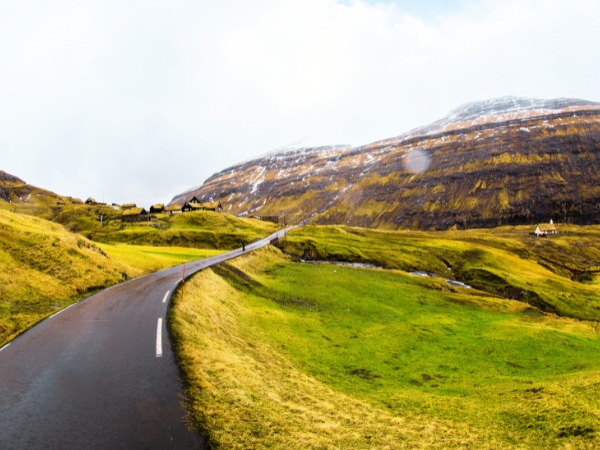
The road towards Gjógv becomes narrow in some sections, while Funningur has winding hillside roads. Those who rent a car in the Faroe Islands should drive slowly around bends and use only marked parking spaces. The area includes zigzag roads, village scenery, mountain routes, coastal views, and walking trails.
Finishing Your Road Trip in the Northern Islands
The northern islands give you some of the most dramatic scenery during hiking in the Faroe Islands. Ferry schedules, weather, and exposed ridge trails become more important in this final section.
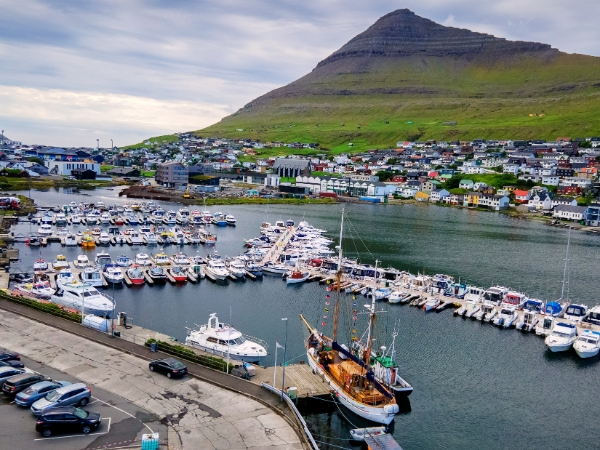
Klakkur Mountain Hike in Klaksvík
Klakkur is a short but rewarding route of about 2.7 kilometres return. Many hikers complete it in around 2 hours. Summer sunsets here often give excellent views across nearby islands and sea channels. Most hikers drive towards Hálsur before starting the walk. The gravel road can be uneven, but the route from the gate is straightforward.
Kalsoy Island and Kallur Lighthouse Hike

The ferry from Klaksvík to Syðradalur takes about 20 minutes, but schedules change with the seasons. From Trøllanes, the hike to Kallur Lighthouse takes about 1 hour each way and is moderate in difficulty. The famous ridge near the lighthouse has steep drops on both sides. If strong wind arrives, stay on the safer main path and avoid the exposed ridge.
Viðareiði and Villingardalsfjall Trail
Villingardalsfjall rises to 841 metres and gives you one of the strongest final mountain days of the trip. The climb is steep for most of the route, but the views towards nearby northern islands are impressive. The upper trail is rocky and loose in places. If weather conditions worsen, turn back rather than continuing towards Enniberg without a guide.
Essential Tips for a Faroe Islands Hiking Road Trip
Good preparation is essential when hiking in the Faroe Islands, as mountain weather can change quickly between islands and valleys. Careful planning also helps drivers manage tunnels, ferries, and narrow roads more safely.
1. Choose the Right Rental Car for Mountain Roads
Travellers who rent a car in the Faroe Islands usually find small or mid-size cars the easiest option for village roads and mountain parking areas. Compact cars and small SUVs work well for most hiking trips. If you book a car through Final Rentals, you can access low prices, including insurance, airport pickup, and practical cars suitable for Faroe Islands road trips.
2. Pack for Hiking Weather
Bring waterproof layers, fleece clothing, sturdy hiking shoes, food, water, and a charged phone. Thin layers work best because temperatures and wind conditions can change quickly during the day.
3. Driving and Hiking Safety Reminders
Keep headlights on during the day and avoid parking inside passing lay-bys. Do not start hikes in darkness or fog, and never continue if the weather becomes unsafe. If you hit a sheep while driving, report it to the police immediately.
Takeaway
The best experiences during hiking in the Faroe Islands usually come from staying flexible. Weather changes quickly, ferry schedules can shift, and mountain visibility is never guaranteed. If you drive carefully, respect local hiking rules, and allow extra time between islands, you will enjoy a much smoother and more rewarding road trip across the Faroes.
Rent a car in the Faroe Islands with Final Rentals to move more easily between remote trailheads, ferry ports, and mountain villages during your hiking trip. Get useful benefits like unlimited mileage, included insurance, 24/7 breakdown assistance, airport pickup, and car options for narrow island roads and in changing weather conditions.
Book and manage your car rental at any time. Download the Final Rentals app on Google Play and the App Store.
Frequently Asked Questions
What is the best time for hiking in the Faroe Islands?
The best time for hiking in the Faroe Islands is from June to early September. During these months, you usually get longer daylight hours, greener landscapes, and safer trail conditions. Mountain weather can still change quickly, so you should always check forecasts before starting a hike.
Do you need to rent a car in the Faroe Islands for hiking trips?
Yes, many travellers rent a car in the Faroe Islands because hiking areas are spread across different islands and villages. A car helps you reach remote trailheads, mountain roads, and ferry ports more easily. Small SUVs are useful for narrow and steep roads.
Are hiking trails in the Faroe Islands difficult?
Many hiking trails in the Faroe Islands range from easy coastal walks to steep mountain climbs. Trails like Mulafossur are beginner-friendly, while routes such as Slættaratindur and Villingardalsfjall require good fitness and careful footing. Weather conditions can also affect trail difficulty.