Finalrentals Blog


Published in Guides Category.
The Faroe Islands are full of places that make you want to keep going just a little farther. One turn can reveal a waterfall, a quiet village, or a mountain view hidden by clouds minutes earlier.
Choosing a guided tour or a rental car in the Faroe Islands can shape how you experience those moments. Tours give you local insight and a planned route, while driving gives you flexibility over stops and timing. Our guide compares the two options so you can choose the best option for your Faroe Islands trip.
Guided Tours vs Self-Drive Travel in the Faroe Islands
Do you want each day planned out, or would you rather decide as you go? In the Faroe Islands, weather, distance, and island connections can shape your plans. Knowing what to expect can help you choose the travel style that feels right for your trip.
Freedom to Change Your Route and Stops

With your own rental car, you decide where to stop and how long to stay. You can spend longer at Gásadalur, visit a village café, or wait for clearer views after the fog. Tours usually follow a set timetable with planned stops at places such as Saksun or Gjógv. A guide may change the route when necessary, but you have less control over each stop. Driving is useful when rain or fog changes your plans during the day.
Local Knowledge and Help From a Guide
A guided tour gives you local knowledge while someone else handles the route. Guides can explain Faroese history, folklore, wildlife, and village life as you travel. Small-group tours often use minibuses and may include hotel pick-up, parking arrangements, meals, tolls, or ferry planning. Exact inclusions vary, so check what your booking covers. You trade some route freedom for local context and less planning.
Costs for Solo Travellers, Couples, and Groups
Costs depend on how many people travel together. A solo traveller may find a tour easier to budget because they pay for one seat. Couples and groups can divide the daily cost of a rental car in the Faroe Islands, fuel, and tunnel charges.
Many rentals include unlimited mileage and basic insurance cover. Premium SUVs usually cost more than smaller car types. Tours may cost more per person, but some include ferries, meals, tunnel charges, and guide services.
If you’d rather set your own pace, book with Final Rentals and pick up an SUV for your trip. Your rental includes unlimited mileage, winter tyres, Collision Damage Waiver, Theft Waiver, and Third Party Liability, which gives you useful cover while exploring the islands
Planning and Daily Convenience
If you are deciding how to travel around the Faroe Islands, think about how much planning you want to handle each day and how much independence matters to you. Guided tours give you a planned day, from the meeting point to the final stop. Your guide handles navigation, parking, and the timing between attractions, so there is less for you to organise.
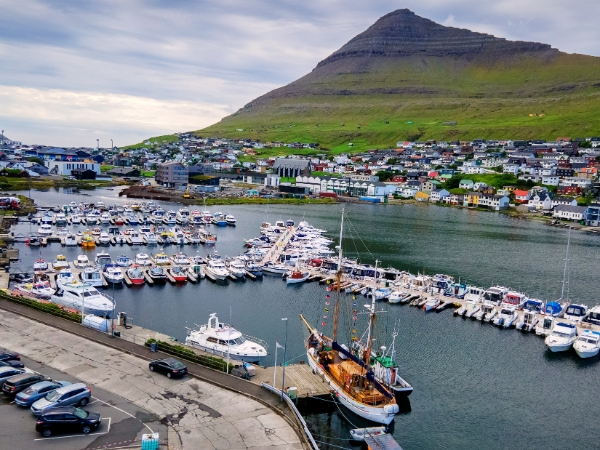
If you drive instead, you choose your own start time, accommodation area, and route order. You could stay in Klaksvík, explore the northern islands first, then continue south. Just remember that parking discs are required in restricted zones in Tórshavn, Klaksvík, Runavík, and at Vágar Airport.
What Renting a Car in the Faroe Islands Is Really Like
Before booking a rental car in the Faroe Islands, it helps to know what you may encounter once your road trip begins. Narrow roads, subsea tunnels, changing weather, and local driving rules can all become part of the experience.
Starting Your Trip From Vágar Airport
Most fly-in trips begin at Vágar Airport, where you can pick up your car and start driving. The Vágatunnilin connects Vágar with Streymoy through a 4.9-kilometre subsea tunnel. Tórshavn is around 45 minutes from the airport in normal conditions. From Streymoy, other subsea tunnels connect you with Eysturoy, Borðoy, and Sandoy. This road network makes it possible to move between several islands without taking a ferry.
Narrow Roads, Tunnels, and Faroese Driving Conditions
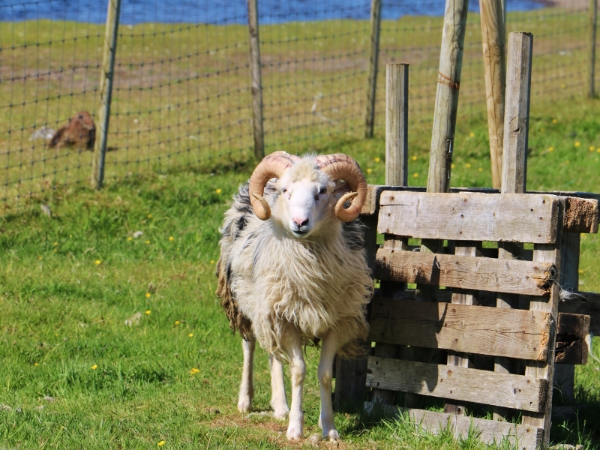
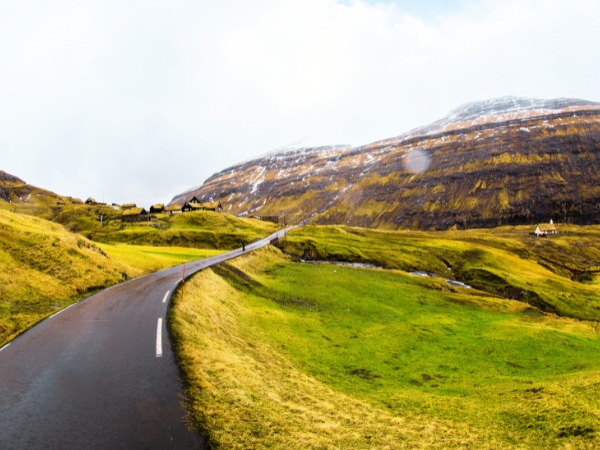
Roads range from two-lane routes to narrow village roads and older single-lane tunnels. Drive slowly around bends and watch for sheep, cyclists, buses, and oncoming traffic.
Single-lane tunnels have passing places. Follow the priority signs and reverse carefully when your direction must give way. Keep your headlights on at all times and wear seatbelts. The usual speed limit is 50 kilometres per hour in built-up areas and 80 kilometres per hour elsewhere. Mobile phone use while driving is restricted. Rental age rules vary, while Final Rentals requires drivers to be at least 22 years old.
Subsea Tunnel Tolls, Parking, and Fuel
The Faroes have four toll subsea tunnels: Vágatunnilin, Norðoyatunnilin, Eysturoyartunnilin, and Sandoyartunnilin. Charges vary by tunnel and route.
Final Rentals offers an optional subscription for unlimited use of the Vágar and Norðoyar tunnels. Eysturoy and Sandoy tunnel trips are charged separately. These charges can add up when you cross several islands by car. Fuel stations are available on most main islands, but distances vary. Refill before heading into remote areas if your fuel is getting low. Use marked parking areas and don’t park on the roadside.
When Guided Tours or a Rental Car Make More Sense
Some experiences are best done by car, while others require a guide, ferry, or boat. Guided tours in the Faroe Islands are useful when access rules or local knowledge matter.
Guided Sightseeing Tours Around the Main Islands
Sightseeing tours often cover Saksun, Gjógv, Tjørnuvík, Fossá, Gásadalur, Múlafossur, and Kirkjubøur. Guides handle driving and parking while explaining the history or landscape at each stop.
Multi-day trips may also include ferries to islands such as Suðuroy or Kalsoy. Some packages include tunnel charges, ferry tickets, packed lunches, and drinks. You can visit many of these places with a rental car in the Faroe Islands instead. You will manage route timing, parking, ferry schedules, and tunnel costs yourself. The benefit is choosing which places deserve more of your day.
Guided Hiking Tours and Trails That Need a Guide
Some famous hikes have access fees, guide rules, or seasonal limits. Drangarnir can only be hiked with a guide, while Trælanípa offers guided and self-guided access for different fees. Kallur Lighthouse on Kalsoy has an access fee, but you can hike without a guide. Mykines has seasonal visitor rules, and summer visitors who use the ferry normally need a guide.
Driving still helps because you can reach many trailheads and ferry points on your own. For restricted trails, arrange the required guide before arriving. Guides can also explain geology, birdlife, safety, and local land rules.

Boat Tours, Sea Cliffs, and Island Trips
Some places are best reached from the water. Boat tours from harbours such as Vestmanna and Sørvágur take you near sea cliffs, caves, Drangarnir, and Tindhólmur.
Mykines requires a ferry or boat journey because it has no road connection. Kalsoy is also reached by ferry, and then you continue by road towards Trøllanes and the Kallur trail. Boat and hiking trips are often seasonal, especially around bird areas. If you are driving, you can park near the harbour and join the excursion. Your car handles the land part, while the boat gives you access to off-road sights.
Food, Culture, History, and Local Experiences
Guided trips can add cultural details that are easy to miss when self-driving. Guides may explain Viking history, Faroese folklore, chain dancing, village traditions, and local food.
Some tours include restaurant or farm stops where you can try Faroese lamb soup or skerpikjøt, which is dried mutton. When driving, you can create your own stops at village shops, churches, museums, and cafés. The difference is how you find those experiences. A guide brings the local context to you, while self-driving lets you choose where your curiosity takes you.
Takeaway
Your choice should match the kind of trip you want to have. A rental car in the Faroe Islands gives you more control over timing and stops. A guided tour can add local stories and help with places that need special access. Think about which matters more to you each day: freedom to explore on your own or having someone lead the experience.
Rent a car in the Faroe Islands with Final Rentals to keep your plans flexible. Winter tyres are included, and ferry travel is permitted. Book and manage your car rental at any time. Download the Final Rentals app on Google Play and the App Store.
Frequently Asked Questions
Is it better to rent a car in the Faroe Islands or to take guided tours?
A rental car in the Faroe Islands gives you freedom to set your schedule and stop where you like. Guided tours cover transport, guides, meals, tolls, and ferries when included. Solo travellers may prefer tours if they dislike driving. Families and groups often find driving more flexible and can share rental costs between several people.
How do I travel around the Faroe Islands?
The easiest option for many travellers is driving because roads, bridges, and undersea tunnels connect the main islands. You drive on the right and can reach most sights at your own pace. Public buses, ferries, and guided trips are also available. For places such as Mykines or the Vestmanna cliffs, you will need a ferry or boat excursion.
What should I know about driving a rental car in the Faroe Islands?
You drive on the right, with limits usually set at 50 kilometres per hour in towns and 80 elsewhere. Roads are mostly paved, but can narrow in villages and older tunnels. Use passing places correctly, keep headlights on, wear seatbelts, and watch for sheep. Main subsea tunnels charge tolls, which your car rental company handles.